Risk Awareness
Overdose risk can affect a wide range of individuals and is not always predictable. Risk may increase when medications such as opioids are taken in higher doses than prescribed, used in combination with alcohol or other substances that depress the central nervous system, or used without medical supervision. Risk can also increase when medications are stored in ways that are accessible to others in the household, including children, teens, or visitors.
Understanding these risks is an important step in prevention, especially for households where prescription medications are present.
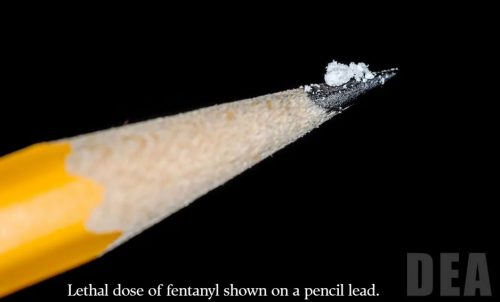
Illicitly manufactured opioids may contain substances such as fentanyl, fentanyl analogs (including carfentanil), or other emerging synthetic opioids such as nitazenes. Fentanyl is highly potent, and even very small amounts can be deadly. Recent forensic reports have also identified additional novel synthetic opioids, including cychlorphine, in the illicit drug supply. These substances are extremely potent and may be present in drugs without a person’s knowledge. They cannot always be seen, tasted, or detected.
Prevention Actions
There are several steps that can help reduce the risk of overdose in the home. Medications should be stored securely and out of reach of others when possible. Individuals should take medications only as prescribed and avoid sharing prescriptions with others. Proper disposal of unused or expired medications also helps reduce the potential for misuse or accidental ingestion. Keeping medications organized and regularly reviewing what is in the home can further support safety.
Preparedness
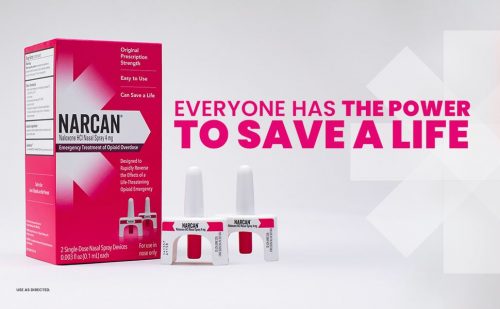
Being prepared for an overdose emergency is an important part of prevention. Keeping Narcan available in the home can help respond quickly in the event of an opioid overdose. Knowing how to recognize the signs of an overdose—such as slowed or stopped breathing, unresponsiveness, or blue or gray lips or fingertips—and calling 911 immediately are critical actions. Individuals and families may also benefit from receiving training on overdose response, including how and when to administer Narcan.
Supportive Messaging
Overdose prevention is a shared community effort, and support is available. Taking steps to learn about risks, prepare for emergencies, and create a safer home environment can make a meaningful difference. Individuals who have questions or would like additional resources are encouraged to reach out to Buffalo County Public Health for support and guidance.